What's The Difference: Gut Health Tests vs. Endoscopy
Your gut health plays an important role in your overall well-being. When it comes to checking on your digestive system, two main approaches are available: gut health tests and endoscopy (also called "scopes"). While both help assess your gut, they work in different ways and serve different purposes.
Understanding Gut Health Tests
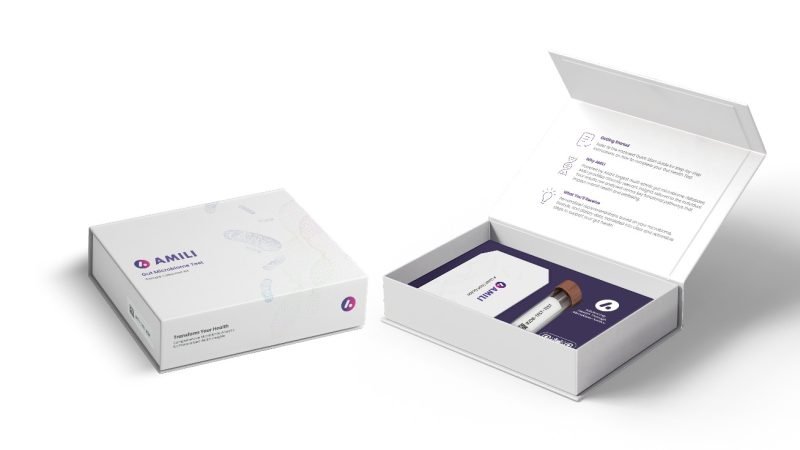
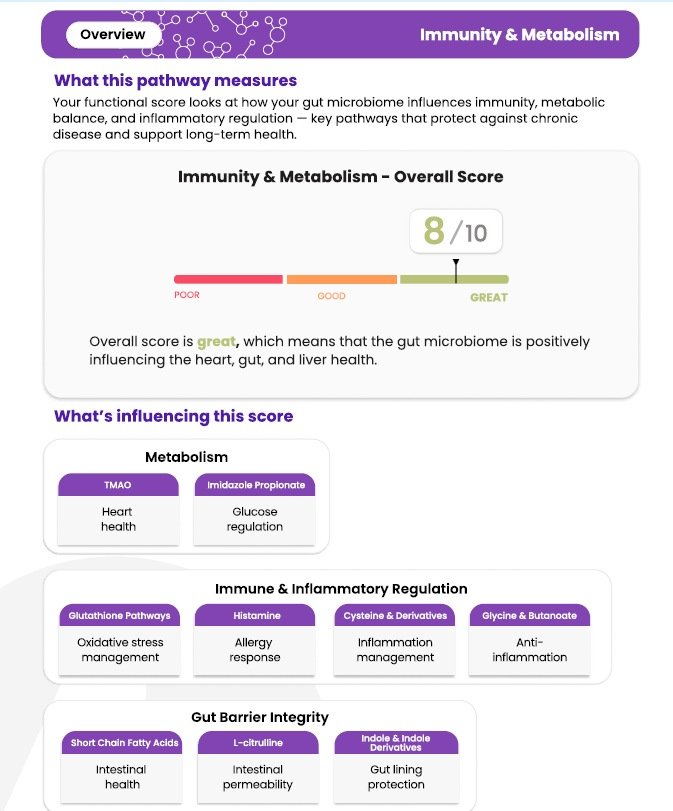
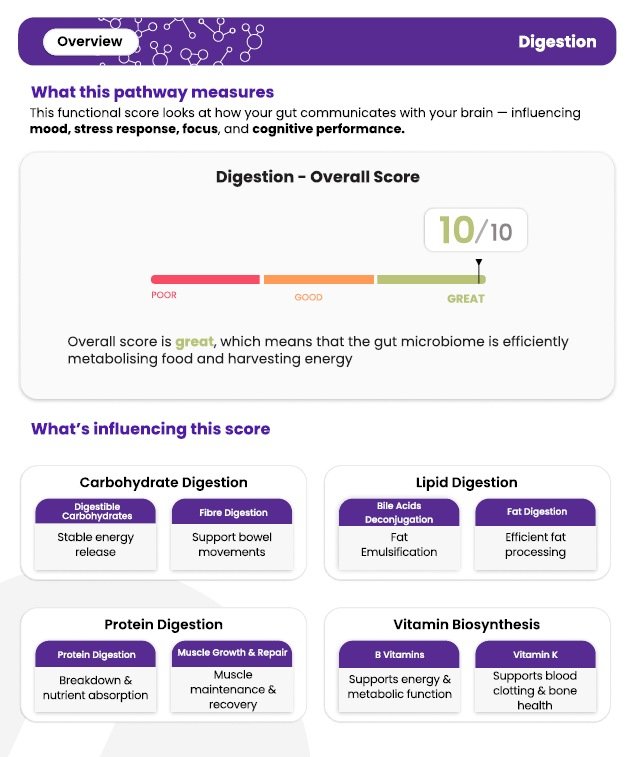
Gut health tests examine what's happening inside your digestive system using a stool sample you collect at home. These tests look at:
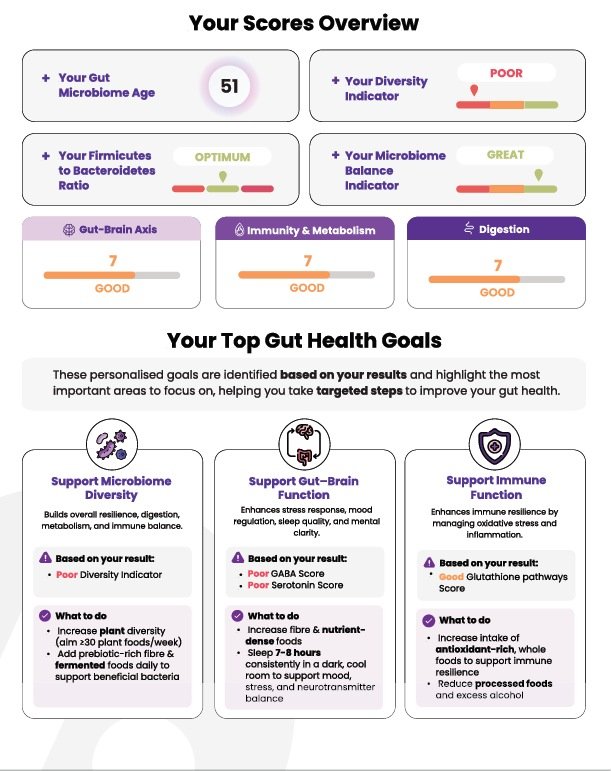
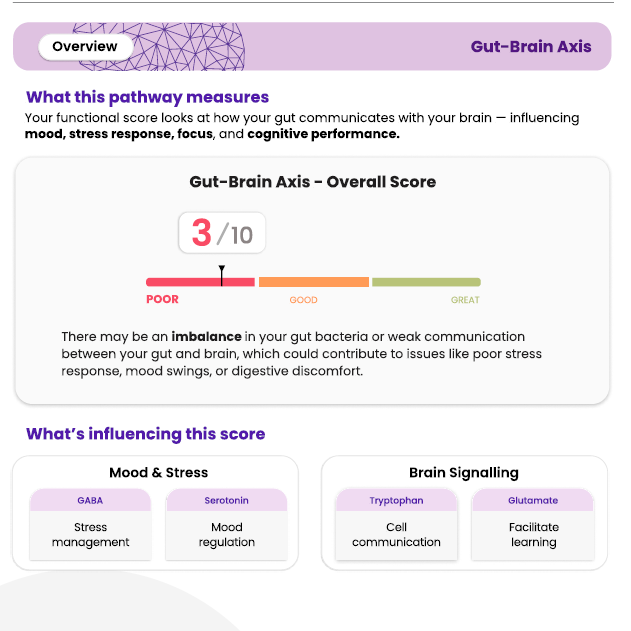
- The gut microbiome – the trillions of bacteria and other microorganisms living in your intestines. A healthy balance of these organisms is important for digestion, immune function, and even mental health.
- Inflammation markers – substances like calprotectin that indicate if there's inflammation in your gut. Chronic inflammation can be a sign of conditions like inflammatory bowel disease.
- Digestive function – how well your body breaks down food and absorbs nutrients.
Types of Stool Tests
Several types of stool tests are available, each serving a specific purpose:
- Fecal immunochemical test (FIT) – detects hidden blood in stool, which can be an early sign of colon polyps or cancer
- Fecal calprotectin – measures inflammation in the intestines, helpful for distinguishing inflammatory bowel disease from irritable bowel syndrome
- Fecal elastase – evaluates pancreatic function and how well your pancreas produces digestive enzymes
- Gut Microbiome tests – analyze the types and amounts of bacteria in your gut
Benefits of Gut Health Tests
- Non-invasive – no procedures or sedation required
- Convenient – collect samples at home and mail them to a lab
- No preparation – most tests don't require dietary restrictions or bowel preparation
- Good for screening – can identify people who may need further evaluation
Limitations of Gut Health Tests
While useful, these tests have limitations:
- They cannot detect structural problems like ulcers, polyps, or tumors
- They provide a snapshot of gut bacteria and inflammation but cannot diagnose all digestive conditions
- Abnormal results often require follow-up with endoscopy for definitive diagnosis
Understanding Endoscopy (Scopes)
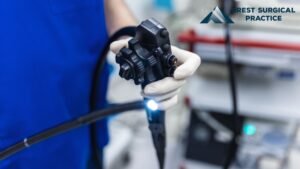
Endoscopy involves using a thin, flexible tube with a camera to directly examine the inside of your digestive tract. The two main types are:
- Colonoscopy – examines the entire colon and rectum
- Upper endoscopy (gastroscopy) – examines the esophagus, stomach, and upper small intestine
What Endoscopy Can Detect
Endoscopy allows doctors to:- Visualize the lining of your digestive tract directly
- Identify ulcers, polyps, tumors, inflammation, and bleeding
- Take tissue samples (biopsies) for further testing
- Remove polyps during the same procedure
- Treat certain problems like bleeding areas
The Endoscopy Process
What to expect:- Preparation – you'll need to follow a special diet and take medication to clean out your colon (for colonoscopy)
- Sedation – most procedures use sedation or anesthesia to keep you comfortable
- Recovery – you'll need someone to drive you home and may need rest time afterward
- Results – your doctor can often provide preliminary findings immediately after the procedure
Key Differences Between Gut Health Tests and Endoscopy
| Gut Health Test | Endoscopy | |
|---|---|---|
| Invasiveness | Non-invasive, done at home | Requires a procedure with sedation |
| What They Detect | Bacterial balance, inflammation markers, hidden blood | Visual abnormalities, structural problems, tissue samples |
| When They’re Used | Screening, monitoring known conditions, optimizing gut health | Diagnosing symptoms, removing polyps, investigating abnormal test results |
| Preparation Required | Minimal to none | Bowel preparation, fasting, sedation |
| Choosing the Right Test | Consider gut health tests if:
|
Endoscopy may be needed if:
|
Working With Your Healthcare Provider
The decision between gut health tests and endoscopy should be made with your doctor, considering:- Your age and family history
- Current symptoms
- Previous test results
- Personal preferences
- Overall health status
Both approaches have value in maintaining digestive health. Gut health tests offer convenient screening and monitoring with a targeted probiotics, while endoscopy provides detailed examination and the ability to treat problems during the procedure. In many cases, these tools work together – a stool test might identify people who need endoscopy, or endoscopy might be followed by stool tests for ongoing monitoring.
Taking Action
If you're experiencing digestive symptoms or are due for screening, arrange an appointment with us today to discuss which approach is right for you. Early detection and monitoring of gut health problems can lead to better outcomes and improved quality of life.
References
Screening for Colorectal Cancer: US Preventive Services Task Force Recommendation Statement. US Preventive Services Task Force, Davidson KW, Barry MJ, et al. JAMA. 2021;325(19):1965-1977. doi:10.1001/jama.2021.6238.
ACG Clinical Guidelines: Colorectal Cancer Screening 2021. Shaukat A, Kahi CJ, Burke CA, et al. The American Journal of Gastroenterology. 2021;116(3):458-479. doi:10.14309/ajg.0000000000001122.
Delphi Initiative for Early-Onset Colorectal Cancer (DIRECt) International Management Guidelines. Cavestro GM, Mannucci A, Balaguer F, et al. Clinical Gastroenterology and Hepatology : The Official Clinical Practice Journal of the American Gastroenterological Association. 2023;21(3):581-603.e33. doi:10.1016/j.cgh.2022.12.006.