A lot of people delay getting a colonoscopy because they’re worried it might hurt. Some feel nervous about the procedure itself, while others are more anxious about the preparation beforehand. Thats actually quite common.
In reality, most colonoscopies are performed with sedation, so patients are usually relaxed or sleepy during the examination. Knowing what happens before, during, and after the procedure can make the whole experience feel less intimidating.
At Crest Surgical Practice, patients undergoing colorectal screening or digestive evaluation are guided through the process step by step. If you are looking for a colonoscopy specialist in Singapore, understanding the procedure beforehand may help you feel a little more at ease before the appointment.
If you have questions about digestive symptoms or colorectal screening, you may contact Crest Surgical Practice at (65) 8802 1000 for further information or appointment enquiries.
What Exactly Is a Colonoscopy?
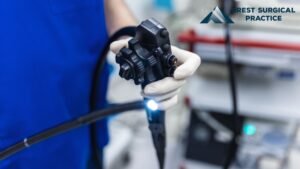
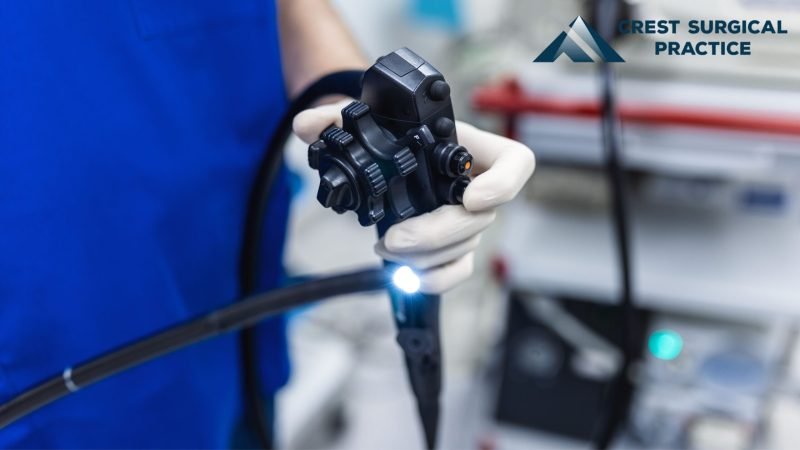
A colonoscopy is a procedure used to examine the inside of the colon and rectum. During the procedure, a thin flexible tube with a small camera is gently inserted through the rectum so the doctor can examine the lining of the large intestine.
The procedure may help detect:
- Colon polyps
- Inflammation
- Bleeding
- Tissue changes
- Signs of colorectal cancer
Doctors may also recommend a colonoscopy if someone experiences symptoms like:
- Blood in stool
- Ongoing constipation
- Persistent diarrhoea
- Changes in bowel habits
- Abdominal discomfort
- Unexplained weight loss
For some people, the procedure is done as part of routine colorectal cancer screening, especially from around age 45 onwards depending on medical history and family risk factors.
So… Does a Colonoscopy Hurt?
Honestly, this is usually the first thing patients ask.
Most patients do not describe the procedure as painful. Sedation is commonly given beforehand, which helps patients feel drowsy and relaxed during the examination. Some people even sleep through most of it.
That said, a few patients may still notice:
- Mild cramping
- Pressure in the abdomen
- Temporary bloating
This can happen because air is introduced into the colon to allow better visibility during the procedure. The feeling usually settles fairly quickly afterwards.
Funny enough, many patients later mention the preparation the night before felt more unpleasant than the actual colonoscopy.
The Preparation Part… Thats Usually What People Dislike
The colon needs to be cleaned properly before the procedure. If not, visibility inside the colon may not be clear enough.
Patients are generally asked to:
- Follow a low-fibre diet briefly
- Avoid certain foods
- Drink a bowel cleansing solution
- Take only clear liquids the day before
The preparation solution causes frequent bowel movements, so yes… expect multiple toilet trips. Some patients say thats the most tiring part of the whole process.
Your doctor will also review:
- Existing medical conditions
- Allergies
- Medications
- Previous digestive issues
Its important to follow the preparation instructions carefully because incomplete bowel preparation may affect the examination.
What Happens During the Procedure?
A colonoscopy usually takes around 20 to 45 minutes, depending on what is being examined.
Before it starts:
- Sedation is given
- Patients lie comfortably on their side
- Vital signs are monitored throughout
During the procedure, the colonoscope is advanced carefully through the colon while images are viewed on a monitor.
If polyps are found, they may sometimes be removed during the same session. Tissue samples may also be taken if necessary for further evaluation.
Most patients remember very little afterwards because of the sedative medication. Some wake up asking if the procedure has even started yet.
After the Colonoscopy
After the procedure, patients rest for a short recovery period while the sedation gradually wears off.
Some temporary effects can include:
- Feeling bloated
- Passing gas
- Mild abdominal discomfort
- Feeling sleepy or groggy
Usually these symptoms improve within a few hours.
Patients are generally advised not to drive afterwards, mainly because the sedation can affect alertness for awhile. Resting at home for the remainder of the day is usually recommended.
If polyps were removed, the doctor may provide additional instructions regarding meals or physical activity over the next day or two.
When Should You See a Colonoscopy Specialist in Singapore?
A colonoscopy may be recommended if symptoms continue or if colorectal screening is needed.
You may be advised to consult a colonoscopy specialist in Singapore if you experience:
- Rectal bleeding
- Persistent bowel habit changes
- Ongoing abdominal pain
- Family history of colorectal cancer
- Iron deficiency anaemia
- Unexplained digestive symptoms
At Crest Surgical Practice, colorectal-related services include colonoscopy, endoscopy, polypectomy, and assessment of digestive conditions.
FAQs About Colonoscopy
- Will I be awake during a colonoscopy?
Sedation is commonly used, so patients are usually relaxed or sleepy during the procedure.
- How long does recovery take?
Most people recover by the next day, although mild bloating or tiredness may continue for several hours afterwards.
- Can a colonoscopy detect colon cancer?
A colonoscopy may help identify abnormalities such as polyps, inflammation, or suspicious tissue changes in the colon.
- Is colonoscopy safe?
It is a commonly performed procedure used for colorectal screening and digestive evaluation. Your doctor will discuss the risks and considerations based on your condition.
Understanding the Process Often Makes It Less Stressful
A colonoscopy can sound intimidating beforehand, especially for people undergoing it for the first time. But once patients understand how the procedure works, many realise it is often more manageable than they initially expected.
If you have concerns about digestive symptoms, bowel habit changes, or colorectal cancer screening, Crest Surgical Practice provides colorectal assessment and endoscopic services in Singapore.